
Ethiopia is the birthplace of coffee. The plant evolved here. Every arabica varietal in the world descends from Ethiopian heirloom genetics. For a hospitality buyer, understanding the differences between Ethiopia’s three flagship regions is the difference between sourcing on instinct and sourcing on knowledge. This guide is a working primer on the three names that should be on your radar: Yirgacheffe, Sidamo and Harrar.
Why Ethiopia matters to your menu
Ethiopian coffees have a flavour signature that few other origins can match. Bright acidity, floral aromatics, fruit-led sweetness — these are the markers a cupper looks for. In a specialty hospitality programme, an Ethiopian single origin or a blend with a strong Ethiopian component often anchors the most distinctive cup on your menu. Customers who have tasted good coffee elsewhere expect to find Ethiopia represented.
The other reason Ethiopia matters: variety. Ethiopia is genetically the most diverse coffee-producing country on earth, with thousands of unnamed heirloom varietals growing in forest gardens and smallholder plots. No single bag tastes the same as another. That variability is a feature, not a bug, but it requires sourcing discipline.
Yirgacheffe — the floral one
If you only know one Ethiopian region, it is probably this one. Yirgacheffe is technically a district within the Gedeo Zone in southern Ethiopia. The combination of high altitude (1,700 to 2,200 metres), volcanic soil and traditional washed processing produces coffee that is bright, floral, citrus-driven and tea-like in body.
A washed Yirgacheffe at its best tastes like: bergamot, jasmine, lemon zest, white tea, honeyed sweetness in the finish. It is the coffee that explains to a customer why specialty matters; the difference from a commercial blend is immediate on the palate.
When sourcing Yirgacheffe, look for:
- Grade 1 or Grade 2 classification (graded by defects in the green)
- Recent crop — Ethiopian arrivals in Europe typically peak from May to August
- A specific station or co-operative name (Konga, Aricha, Idido, Worka)
- Washed processing (also called “fully washed”) for the classic floral profile, or natural processing for a fruitier, wilder style
Yirgacheffe carries a high differential — often 200 cents per pound or more above the C-Market. It is not the cheapest Ethiopian coffee. It is the most reliable for a flagship single-origin slot.
Sidamo — the broader, sweeter sibling
Sidamo is the region that contains Yirgacheffe. When people say “Sidamo” today they usually mean the broader area outside the specific Yirgacheffe district. The flavour profile is similar in family — bright, fruit-driven, sweet — but generally with more body, less explicit floral notes and a more rounded cup.
A washed Sidamo often delivers stone fruit, citrus, brown sugar and a smooth mouthfeel. A natural Sidamo can lean toward blueberry, strawberry and a juicier sweetness. For a hospitality programme, Sidamo is often the practical workhorse — slightly more flexible in espresso applications than the more delicate Yirgacheffe profiles, and typically a few cents cheaper on the differential.
Look for grade and crop year, and for specific zones within Sidamo: Bensa, Bombe, Shantawene and Sidama (the modern name for the region) are all worth attention.
Harrar — the wild one
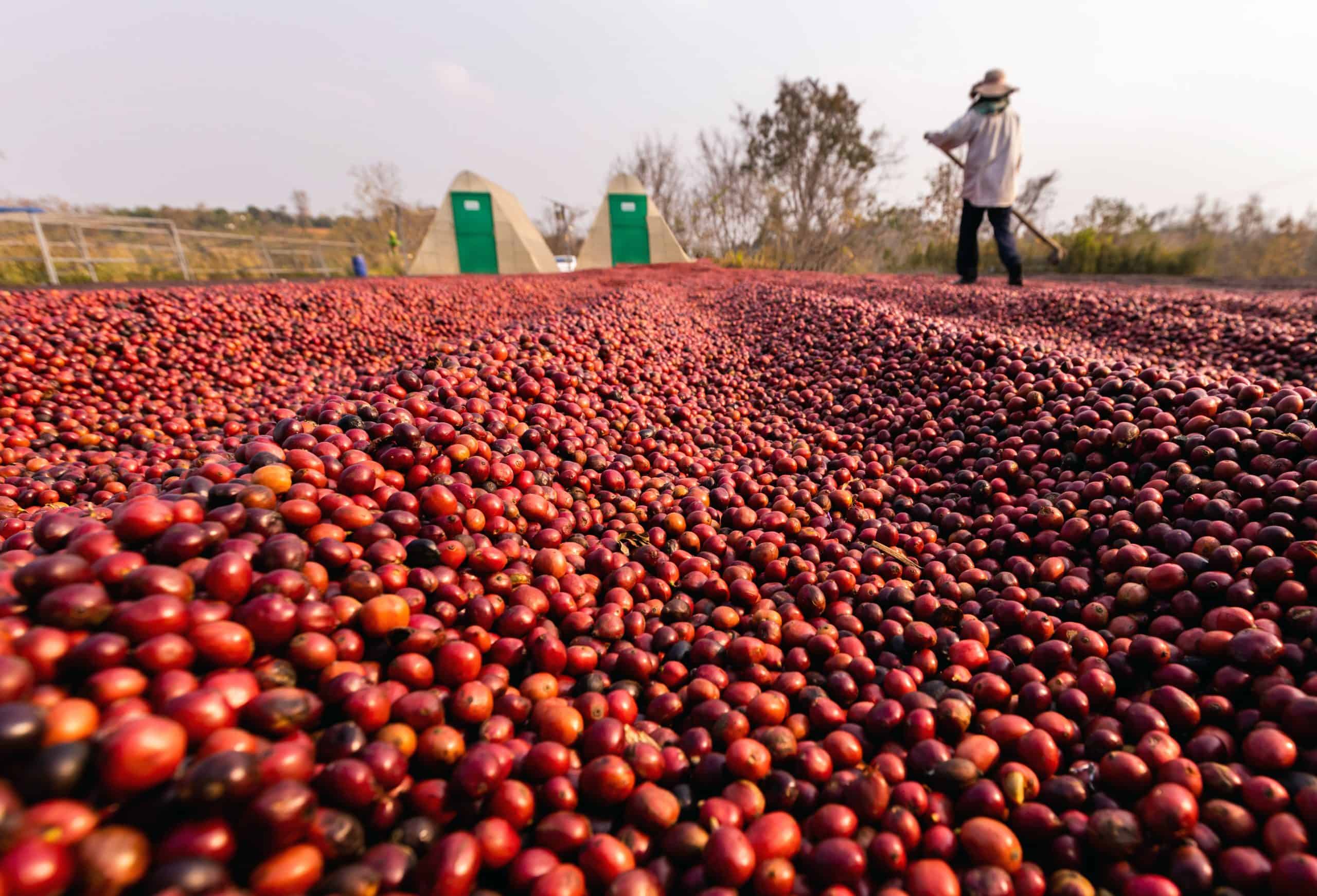
Harrar sits in the east of Ethiopia, in the highlands above the city of the same name. The conditions are drier, the altitude is similar, and the processing is almost exclusively natural — meaning the cherries are dried whole, with the fruit still on the bean. The result is a coffee that tastes unlike either Yirgacheffe or Sidamo.
A good Harrar tastes like blueberry jam, dark chocolate, wine, sometimes a touch of spice. It is bigger, heavier and more unusual than the washed coffees from the south. For some buyers it is a love-it-or-hate-it style. For a hospitality programme looking to offer something distinctive, particularly on filter or as a fruity natural espresso, Harrar earns its place.
A note on Harrar: quality can be more variable than the more institutionally graded coffees from the south. Sample carefully, and work with importers who have direct relationships in the region.
Practical sourcing for your café
Three rules of thumb if you are starting an Ethiopian programme:
1. Buy on cup, not on label. “Yirgacheffe” alone tells you the region. The specific station, lot and processing tell you what is in the cup. Always cup before committing volume.
2. Match processing to brew method. Washed Ethiopians shine on filter and as light-roasted espresso for those who like brightness. Naturals — especially Harrar — bring fruit and body that work well on milk-based drinks and pour-over.
3. Plan around the crop calendar. Ethiopian main crop arrives in Europe between May and August. Buying for the next twelve months requires committing while volumes are available, then drawing down through the year. Working with a roaster that understands Ethiopian seasonality saves your menu from going stale.
Beyond the big three
Ethiopia has other regions worth attention as your programme matures. Guji is now widely recognised as a producer of some of the most refined washed and natural coffees in the country. Limu and Djimma offer different profiles at more accessible prices. The country’s specialty map is broader than the three classic names, but Yirgacheffe, Sidamo and Harrar remain the foundation of any serious Ethiopian sourcing plan.
Want a monthly origin guide like this in your inbox? Subscribe to the Good Cherry newsletter.